This piece was originally published on The Spinoff.
Despite more than half a million New Zealanders using illicit drugs every year, the information out there to make drug taking safer remains limited. Executive director of the NZ Drug Foundation Sarah Helm explains how they’re changing that with The Level.
Where would you go if you wanted trustworthy, non-judgemental information about a drug you were planning to take? How it might make you feel, things you should watch out for, or what you should do to avoid having a bad time?
If you don’t really know, you’re not alone.
When we asked people back in 2020, it was clear there wasn’t really a go-to answer for New Zealanders.
Online, there are plenty of subreddits and forums full of anonymous and sometimes dubious advice. There are a small handful of overseas harm reduction websites like Erowid, but they aren’t well known in Aotearoa. In the real world, it’s unfortunately not the kind of conversation many people are comfortable having with their GP, and even if they are, GPs may not have access to good information either. For lots of people, their first port of call is a more experienced mate.
Even though more than half a million New Zealanders use some kind of illicit drug each year, prohibition and stigma push the topic into the shadows. That means lots of people feel like they can’t have open conversations about staying safer, and if they do need support they may not reach out for help until things are really bad.
So it was pretty obvious to us that there was a big gap when it came to trustworthy information for people taking drugs in Aotearoa. That’s why we created The Level.
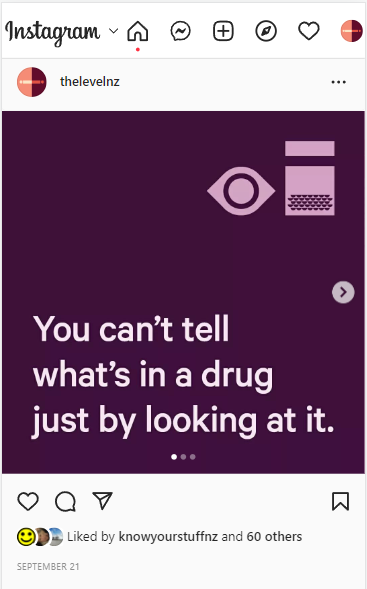
We call The Level a straight up guide for people who use drugs. It offers non-judgemental and thoroughly researched information on what to expect and how to stay safer when taking anything from meth to mushrooms to molly. It also has loads of info on making changes, where to find help and how to support loved ones.
We also publish articles that cover all sorts of topics, including the recent fentanyl overdoses in Wairarapa, staying safer if you’re picking shrooms, and the effects different drugs can have on sex.
We want The Level to be a place where we can start to open up conversations about drugs in Aotearoa, in part to try to pull the issue out from the shadows, but also because a lot of the best tips we hear for staying safer come directly from the community.
To that end we’re stoked to be partnering with The Spinoff to publish more articles on New Zealanders’ experiences with drugs over the coming months.
Inevitably, when you start opening up these conversations, you get asked if you’re just promoting drug use. The answer is, of course, no. But here’s the reality The Level reflects:
- We live in a world where drugs exist, and people use them for a whole lot of reasons - for pleasure, socialising, therapeutic reasons, or because of trauma.
- We live in a country where more than half a million people use illicit drugs each year. Most of these people don’t encounter any problems, but some do.
- And we firmly believe that everyone’s lives and wellbeing are important.
Ultimately, accurate information is harm reduction. As with drug checking, which became permanently legal in New Zealand last year, giving people the knowledge to make their own decisions is a far better way to keep people safe than just telling them ‘don’t do drugs’.
You can share your story with us anonymously by using the Contact Us page.
Related stories
Stay up to date with The Level
Sign up to our newsletter
Recent stories
Running for recovery: meet the Speed Freaks
Meet the Speed Freaks, a nationwide running for recovery group.
Online alcohol & drug support for people with ADHD
Join our supportive online space for people with ADHD to talk about change and recovery. You don’t need to be formally diagnosed to join.