In our work, we've had the opportunity to talk to 1000s of people who use drugs about how they reflect, stay safer, and make changes.
Today we're excited to launch our new Reflection Notebook, the first of three new booklets we're producing that distil all of the knowledge, tips and perspectives we've gathered into useful resources for you.
It's been a long but awesome journey to condense all of these ideas into something usable and practical. In this time I've been able to have in-depth and straight up conversations with people from all walks of life about their drug use; I've chatted with people who are supporting whānau members or friends; and I've talked to health care workers who are doing crucial work in the community. And while they all had a wide variety of experiences, there have been some key themes running throughout.
For some people, they were really keen to get their or a loved one's drug use under control, and cut down or quit altogether. Others felt more comfortable with their level of use but wanted to make sure they could avoid things going wrong.
The Reflection Notebook is designed to be picked up by anyone so they can take a step back, take a good look at how things are going, and plan out next steps.
You can order the full notebook for free on our resources page (including free shipping). 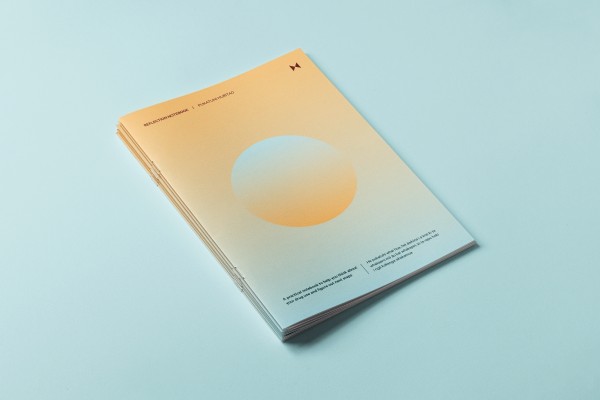
For a snapshot of what the book covers, I've pulled out some key questions that you can use to check in on how things are going:
Check in on your wellbeing
-
How is your health right now?
-
How is your eating, sleeping and physical health at the moment?
-
-
How are your relationships?
-
Who can you go to for support?
-
Do you feel socially connected to the people around you?
-
-
How is your mental health?
-
How are drugs affecting your mood and emotions?
-
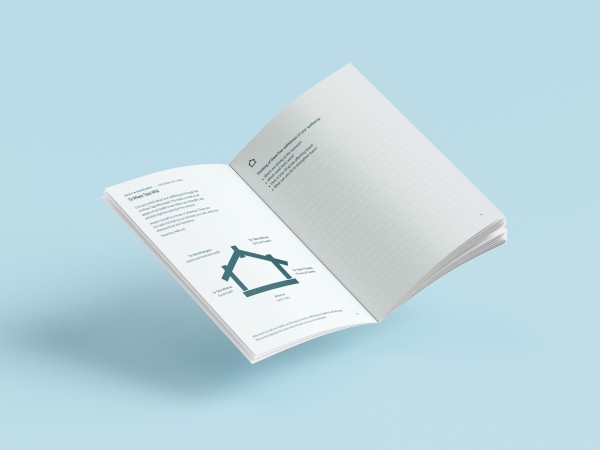
Check in on your drug use
-
Has anything changed since you started using drugs?
-
How often are you using drugs? Is it more than it used to be?
-
Do you ever get cravings to use drugs?
-
Has anything changed at work, home or in your relationships because of your use of drugs?
-
Are drugs still serving a purpose in your life or is that changing?
-
Based on these questions, is there anything you would like to do differently?
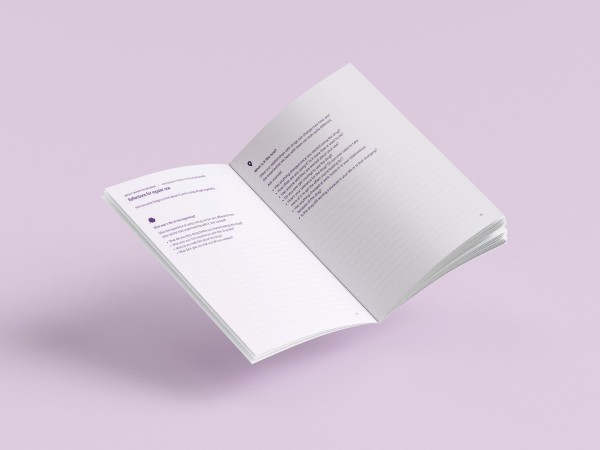
Think about what you’d like to do next
Check out the full book to do a deeper exploration and figure out next steps. If you have an idea already, here are some options for you:
-
Talk to a professional. Read more about the types of support available in Aotearoa.
-
Visit Health Point to look for available services in your area.
Plan how to stay safer
-
See our general harm reduction tips or visit our drug info pages for a deeper dive into how you can be safer when using different drugs.
Feel free to order as many reflection books as you need, so you can take your time filling them with notes and using them however you want
If you are a health professional or you’re a friend or whānau member of someone who uses drugs, these notebooks are also designed for you to give to them or run through it with them. This can help start a conversation about how the person is using drugs and how they can be safer and healthier.
We’d also love to hear feedback so we can continue to improve with the next version. Get in touch if you have anything to share!
Related stories
Stay up to date with The Level
Sign up to our newsletter
Recent stories
Running for recovery: meet the Speed Freaks
Meet the Speed Freaks, a nationwide running for recovery group.
Online alcohol & drug support for people with ADHD
Join our supportive online space for people with ADHD to talk about change and recovery. You don’t need to be formally diagnosed to join.