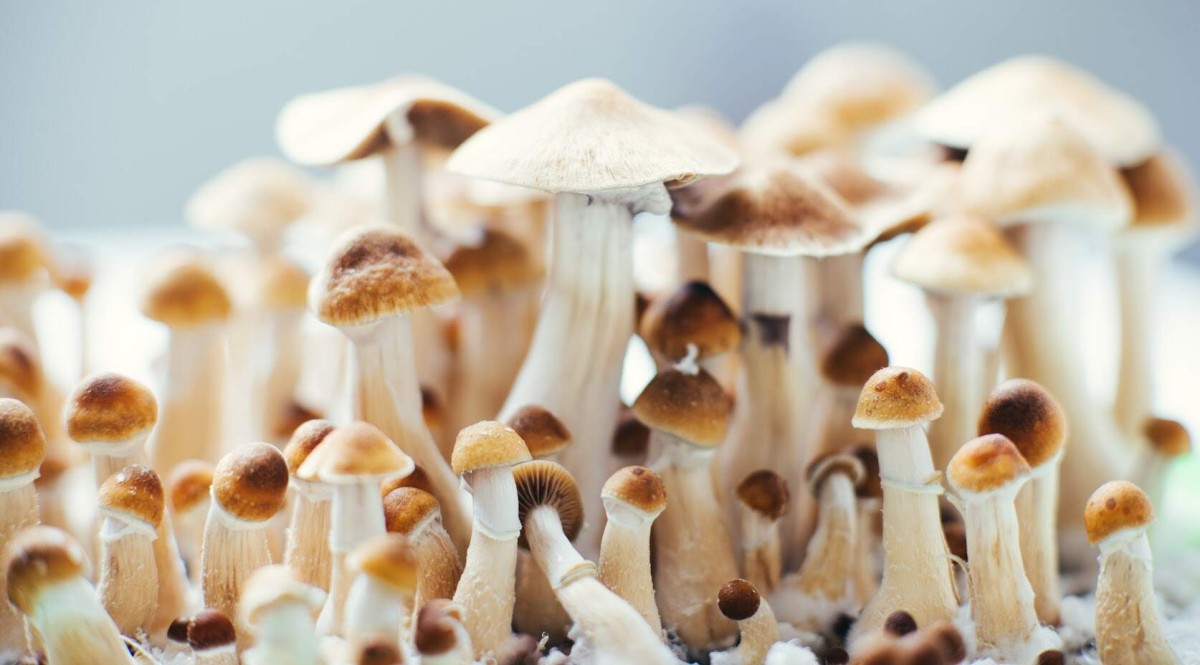
Shrooms are one of the most commonly depicted drugs in popular media – but there’s a lot we still don’t know about them. Why do some experiences feel different from others? How can you be sure that you have psilocybin mushrooms and not a toxic lookalike?
Today, we’re talking to psilocybin harm reduction researcher Sam Lasham about his new study and what he’s learning about shrooms.
Kia ora Sam! Tell us a bit about yourself and the Mushroom Variability and Consumer Safety study – what are you hoping to find out?
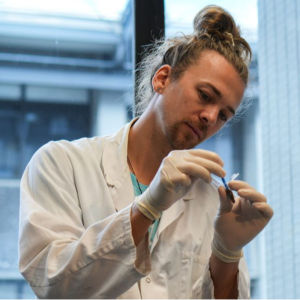
I'm Sam, I'm a PhD student at the University of Auckland where I'm investigating magic mushroom use in Aotearoa. Essentially, we’re trying to better understand how people are using shrooms, but also looking at drug checking as a tool to better understand what's actually in the mushrooms that people are consuming.
There are hundreds of magic mushroom species around the world. There's lots of really big genetic diversity there, and that means there's huge potential for chemical diversity as well.
We’re curious if that variability between species leads to variability drug-wise. For example, could different species cause differences experiences between people?
How does the study work?
There’s three parts:
We have a nationwide survey which is open to anyone who has used mushrooms in New Zealand. We’re trying to understand how people are using mushrooms, how much they’re taking, what they're experiencing and whether they've had any kinds of harm or unwanted effects. It’s an anonymous online survey, and there's a $100 supermarket voucher prize draw for people who participate. Head to the survey page to take the survey.
Once you complete that, you're essentially enrolled. You get a unique webpage created just for you that you can bookmark. That leads to the second part: the post experience surveys. If you have a mushroom experience any time after signing up, you can go back to that page and fill out a survey on that specific experience. Everyone who does a post-experience survey gets a little voucher too as a thank you. Again – these experience surveys are open to anyone nationwide.
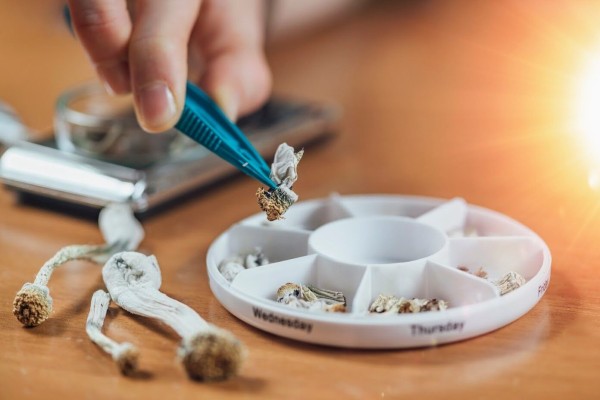
The third stage is the drug checking aspect, where we find out what’s in your shrooms. You can bring in fresh or dried shrooms, powders, chocolate… If it's weird, bring it in. We'll see if we can test it!
The drug checking can only be done by people in Auckland, because they have to bring samples in physically. You book an appointment through your unique webpage and meet me at the clinical research centre in Grafton. Then it’s kind of like a standard drug checking clinic, although results aren’t available immediately and can take around 2 to 4 weeks.
For people who haven’t been to a drug checking clinic before, what’s involved?
(Editor: Check out this article on The Level to understand how drug checking works. It’s free, legal and anonymous, and this project operates under the same license as other drug checking.)
Same as any drug checking service, I ask a few questions and then prepare a sample of what you’ve brought in. Then we talk about ways to stay safer. We’ve got a lot of mushroom-specific handouts, guides on how people can integrate their psychedelic experiences and other mental health resources.
About two to four weeks later, people can get their results online via their unique page. It tells them the species, how much psilocybin is in the sample, and a write-up of what it all means.
At drug checking clinics, we’re usually only able to test powders and pills. How do you test shrooms?
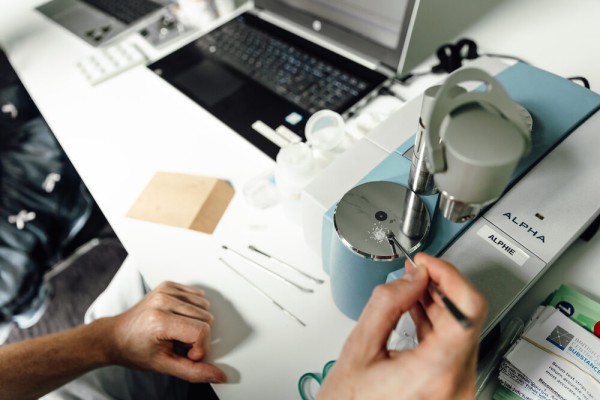
To answer questions like what species you have and if it's poisonous, we do DNA sequencing. We extract the DNA and amplify one specific genetic region, then compare it to a big online database of fungi species to work out what it’s most similar to. With this DNA testing, we can tell someone that their shrooms are from a group known to be psilocybin mushrooms, or not.
The other method is LCMS (liquid chromatography mass spectrometry). The LCMS machine figures out what compounds are in the sample. Usually we find around 2000 different compounds. We compare those to pure analytical standards so we can work out how much psilocybin is in the mushroom, so we’re able to tell people how strong their mushrooms are.
We can also search through the chemical data for all the toxic compounds known from common poisonous species to double check there’s none in the sample.
 Image by Joao Macedo on Unsplash
What are your top tips for people who may be taking psilocybin mushrooms?
What I’m noticing through the study is that many people these days seem to be using shrooms for therapeutic or mental health purposes. My top tips are:
-
Always get a second opinion on identifying shrooms you’ve foraged. This is a big one! (Editor: You can die from poisonous shrooms. Read more about how to correctly identify shrooms here). There are online groups you can get help if you need it. Check out Sam’s list of currently active Facebook groups that can help with fungi identification.
-
Psychedelics, including shrooms, can act as emotional amplifiers. So think about the emotions you’re feeling going into the experience. If those feelings are going to be scaled up by what you’re taking, how is that going to feel? You might need to take a lower dose.
-
Make things easier for yourself. Have easy-to-eat snacks, clothes that make you feel comfortable and a blanket on hand. Close the 300 tabs that you have open in Google Chrome. Little things like that. If you feel disgusting about yourself when you’re dirty, have a nice shower. Again, it all goes back to emotional exacerbation.
-
Look into grounding exercises that can help you through difficult experiences - like mindfulness practices, breathwork and meditation. I think these are all things that can be really helpful to helping you get through challenging experiences.
-
Knowing why you're doing it is always going to be helpful. Even if you’re at a festival, ask yourself: why am I about to take this? How is this going to change the next few hours? Is this going to improve my experience or take away from it?
Related stories
Stay up to date with The Level
Sign up to our newsletter
Recent stories
Running for recovery: meet the Speed Freaks
Meet the Speed Freaks, a nationwide running for recovery group.
Online alcohol & drug support for people with ADHD
Join our supportive online space for people with ADHD to talk about change and recovery. You don’t need to be formally diagnosed to join.