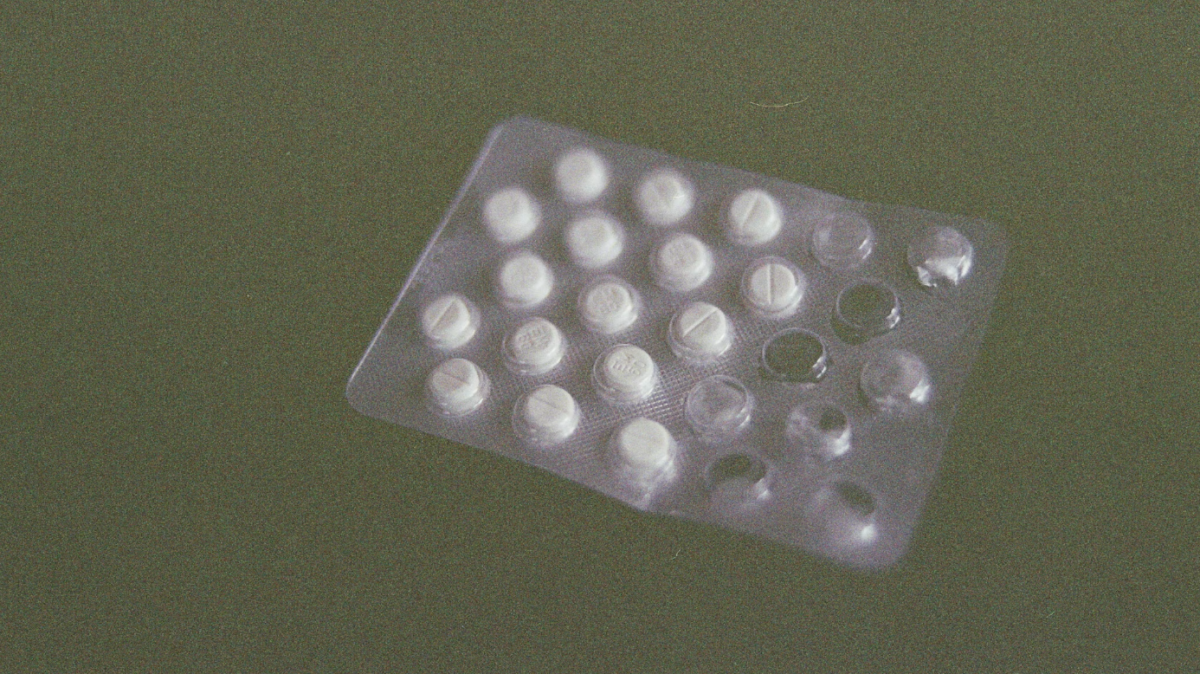
Almost half of New Zealanders will experience mental health challenges in their lifetime. There are lots of medicines – like antidepressants, antipsychotics and mood stabilizers - that can be used to help with these challenges, however many of these can be risky to mix with drugs.
It's not a good idea to stop using psychiatric medications without the advice of your doctor (or psychiatrist), so it’s important to think about how to manage the risks if you’re choosing to use drugs while on these medicines.
We also know that not everyone feels comfortable or safe to disclose their drug use to their doctor. But we’re often asked things like, “Will quetiapine interact with alcohol?” “What happens if I take valium after MDMA?” “Is it okay to take LSD and antipsychotics?”
We’ve made a handy chart to make it easy to see the risks when you’re combining different medicines and drugs. Just remember, this general information won’t take into account your own situation and so we’d recommend you still consider getting medical advice.
Tips if you're taking drugs with mental health meds:
-
The more medicines and/or drugs you combine, the more effects will change and the greater the risk. This includes alcohol, caffeine and other medicines or supplements, prescribed or over the counter. Some combinations can prevent you from feeling the effects of a drug, but your body will still be processing the substances you’ve taken.
-
There are some great resources out there on how drugs can interact. Tripsit has an online combination tool you can use to check combinations of different drugs. There are also some really good online tools for checking interactions between different medicines (and a few common drugs, such as alcohol) including the WebMD tool and the Drugs.com tool.
-
Don’t stop taking your medicine without checking in with your doctor. Suddenly stopping your medicine can cause all sorts of side effects and problems. It is super important to consult with your doctor before you stop taking your medicine or skip doses.
-
Stick to lower doses of drugs and avoid redosing (taking more after your first dose). Taking high doses of drugs or redosing increases the risk of more serious interactions with medicines. It is best to stick to lower doses and avoid redosing.
-
Know the signs that something is going wrong. If you do choose to take drugs while you’re taking psychiatric medicines, it’s best not to use alone. Have someone with you who knows what to look out for if something is going wrong and can get help as soon as possible.
-
Check in with your mental state before taking drugs. Some drugs can impact your mental health and worsen symptoms, especially if you aren’t doing well mentally. Consider your mindset and the setting you are in before using a drug. This is often more common for psychedelic drugs like LSD or mushrooms. If you aren’t in a good space, it can be a good idea to hold off on using drugs for a little bit.
Mental health medication and drug interactions chart
This chart includes some of the possible interactions between common drugs and psychiatric medicines. It isn’t a full list of interactions and does not contain information about all medicines in each class. If possible, we recommend getting medical advice before combining any drugs and medicines.
Jump to:
- Antipsychotics e.g. haloperidol, quetiapine, olanzapine, risperidone
- Antidepressants e.g. SSRIs (sertraline, fluoxetine), SNRIs (venlafaxine), MAOIs (moclobemide), and TCAs (nortriptyline)
- Anti-anxiety medication and sedatives e.g. diazepam, alprazolam, lorazepam, zopiclone, propranolol
- Mood stabilizers e.g. lithium, carbamazepine, sodium valproate
|
|
Antipsychoticse.g. haloperidol, quetiapine, olanzapine, risperidone |
|
Cannabis |
|
|
Alcohol |
|
|
Stimulants (i.e meth, cocaine, MDMA) |
|
|
Opioids (i.e morphine, heroin) |
Warning
|
|
Ketamine |
Warning
|
|
Hallucinogens (i.e LSD, psilocybin) |
|
|
|
Antidepressantse.g. SSRIs (sertraline, fluoxetine), SNRIs (venlafaxine), MAOIs (moclobemide), and TCAs (nortriptyline) |
|
Cannabis |
|
|
Alcohol |
|
|
Stimulants (i.e meth, cocaine, MDMA) |
Warning
|
|
Opioids (i.e morphine, heroin) |
Warning
|
|
Ketamine |
Warning
|
|
Hallucinogens (i.e LSD, psilocybin) |
|
|
|
Anti-anxiety medication & sedativese.g. diazepam, alprazolam, lorazepam, zopiclone, propranolol |
|
Cannabis |
|
|
Alcohol |
Warning
|
|
Stimulants (i.e meth, cocaine, MDMA) |
|
|
Opioids (i.e morphine, heroin) |
Warning
|
|
Ketamine |
Warning
|
|
Hallucinogens (i.e LSD, psilocybin) |
|
|
|
Mood stabilizerse.g. lithium, carbamazepine, sodium valproate |
|
Cannabis |
|
|
Alcohol |
|
|
Stimulants (i.e meth, cocaine, MDMA) |
Warning
|
|
Opioids (i.e morphine, heroin) |
|
|
Ketamine |
Warning
|
|
Hallucinogens (i.e LSD, psilocybin) |
Warning
|
Related stories
Stay up to date with The Level
Sign up to our newsletter
Recent stories
Running for recovery: meet the Speed Freaks
Meet the Speed Freaks, a nationwide running for recovery group.
Online alcohol & drug support for people with ADHD
Join our supportive online space for people with ADHD to talk about change and recovery. You don’t need to be formally diagnosed to join.