Mixing, opioids and stimulants: the latest overdose data
 By: Emily Hughes
Principal Science Advisor, NZ Drug Foundation
November 4th, 2026 | Latest Research
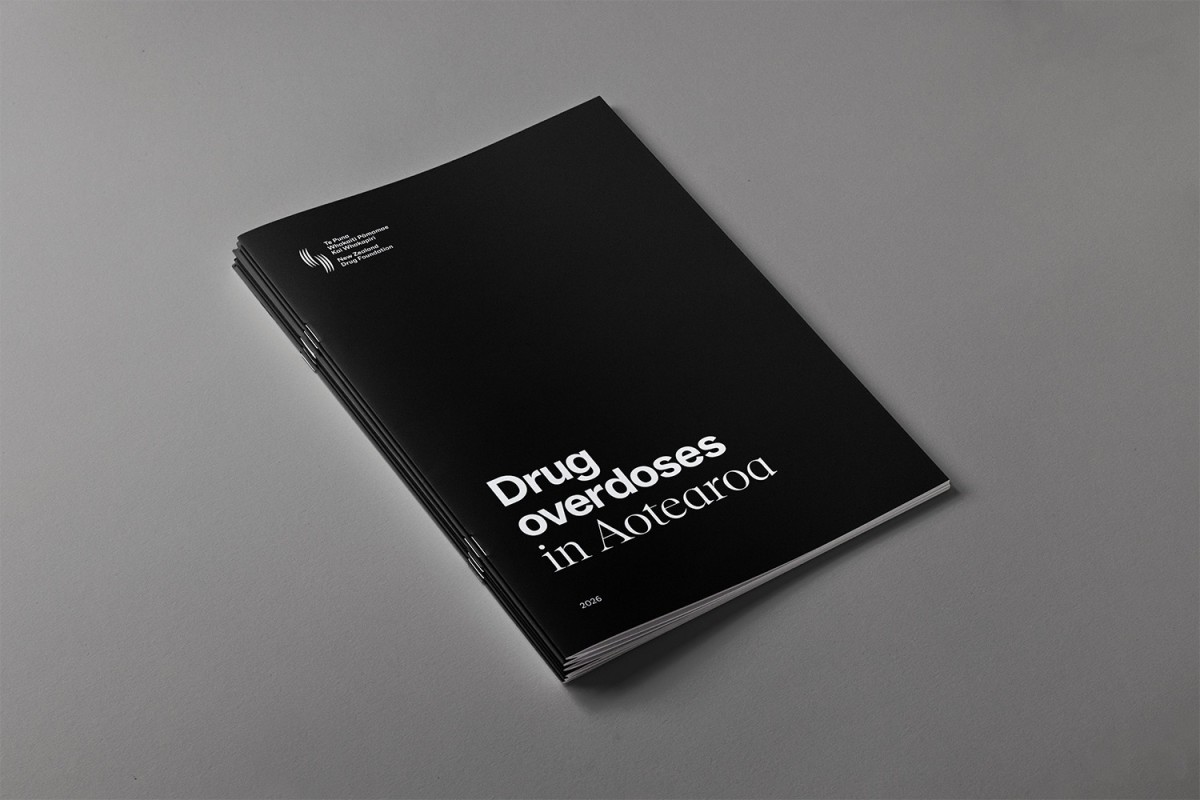
In the 10 years between 2016 and 2025, 1,440 New Zealanders lost their lives to preventable drug overdoses.
Every year, The New Zealand Drug Foundation releases an overdose report. Each death is a devastating loss for that person’s whānau, friends and community. What we learn from these deaths can help keep you and the people you care about safer.
Mixing drugs, alcohol and medicines can be deadly
Over 85% of closed fatal overdose cases between 2016 and 2025 involved more than one substance – including drugs, alcohol and medications. Even more concerningly, over half of these cases involved 5 or more substances.
Mixing drugs, alcohol or medicines can put extra strain on your body. Some combinations can be particularly dangerous - like mixing depressants, e.g. opioids, benzos or alcohol. This is because depressant drugs slow down your body’s functions, including your heart and breathing. When a your breathing and heart slow down too much, you could die.
Depressant substances appeared in 84.1% of overdose cases, and more than one depressant was involved in 61.7% of cases. Combinations of depressant substances were the most likely mix to cause a fatal overdose.
Avoid mixing drugs, alcohol and medicines if you can. This reduces your risk of experiencing unpleasant and unpredictable effects, including overdoses. If you are mixing drugs, you should:
-
Research combinations before mixing. You can use the Tripsit interaction checker as well as drug interaction tools for medicines.
-
Take a lower dose and space out your doses. This can help reduce strain on your body.
Opioids were most likely to cause a fatal overdose
Opioids are depressant drugs that can slow or stop your breathing and heartbeat. Some opioids come from the opium poppy, like morphine and heroin. Many are now made in a lab, like fentanyl and nitazenes. Opioids are the family of drugs most likely to cause an overdose, both here and overseas.
Overdoses on opioids can happy very quickly and might not be easy to spot - someone might look like they are sleeping or nodding off. Watch our video to learn how to spot and respond to an opioid overdose.
If you are using opioids, stay safer by:
-
Avoiding mixing opioids with other depressant drugs or medicines including alcohol, benzos and G-type substances. This also includes other opioids: 41% of opioid overdose cases involved two or more opioids.
- Make sure you have naloxone on hand. Naloxone is a medicine that can quickly reverse an opioid overdose. Here's where you can get free naloxone in Aotearoa.
-
Always use around another person who can get help if things go wrong, and make sure they know how to use naloxone.
-
Get your drugs checked at a drug checking clinic. Check out our calendar to find drug checking near you. If you can’t access drug checking, order free fentanyl and nitazene test strips so you can test your drugs at home. Drug checking and test strips can check for potent opioids that may be in your drugs. Potent opioids like fentanyl and nitazenes carry a high risk of overdose - especially if you don’t know you are taking them.
Stimulant drugs can cause overdoses too
Generally, your risk of an overdose is higher if you're taking depressant drugs, like opioids. But stimulant drugs like MDMA, methamphetamine and cocaine can still contribute to overdoses. These drugs speed up your breathing and heart rate, and increase your body temperature. Stimulants are showing up more often in overdose deaths and in drug harm.
Strong stimulants, such as methamphetamine and cocaine, can put a huge strain on your body, especially in higher doses. If your body functions speed up too much, you can experience a stimulant overdose - also known as ‘overamping’. Overamping can cause seizures, heart attacks or strokes. Your organs can even shut down from your body temperature getting too high.
If you're using stimulants, stay safer by:
-
Avoiding mixing stimulants, including mixing them with caffeine. Taking multiple stimulants can put extra strain on your body and increase your risk of overamping.
-
Taking lower doses. Large doses of stimulants increase the risk of overdose.
-
Try not to binge on stimulant drugs without breaks. Long or frequent periods of taking a lot of stimulants can cause damage to your heart, which increases your risk of experiencing an overdose.
-
Know the signs of overamping. It’s easier to prevent more serious, long-term harm if you recognise and respond to the signs of overamping early.
Calling 111 as soon as possible can save a life
Overdoses are preventable, but it’s important to get medical help as fast as possible. Every second counts.
The report contains data about people who were hospitalised for a drug overdose, and we found that people who go to hospital for an overdose are extremely unlikely to die. Only 0.68% of hospitalisations for a drug overdose resulted in death.
If someone is overdosing or experiencing psychological distress after using drugs, it’s important to call 111 as soon as possible. Ask for an ambulance and let the emergency call-taker know you think someone is overdosing. Stay with the person until the ambulance arrives.
You won’t get in trouble for calling for help.
Drug overdoses have affected the lives of far too many New Zealanders - their friends, their whanau and their communities. Nobody should have to experience losing someone they love to a preventable overdose.
Read the 2026 overdose report on the Drug Foundation website.
At The Level we are working to keep people safe from drug harm by providing evidence-based, non-judgemental information on drugs. You can find more information on how to stay safer with specific drugs on our drug information pages.
If this article has brought up emotions or grief for you, help is available. You can free call or text Need to Talk on 1737 for grief support or visit them here.
Related stories
Stay up to date with The Level
Sign up to our newsletter
Recent stories
Running for recovery: meet the Speed Freaks
Meet the Speed Freaks, a nationwide running for recovery group.
Online alcohol & drug support for people with ADHD
Join our supportive online space for people with ADHD to talk about change and recovery. You don’t need to be formally diagnosed to join.